
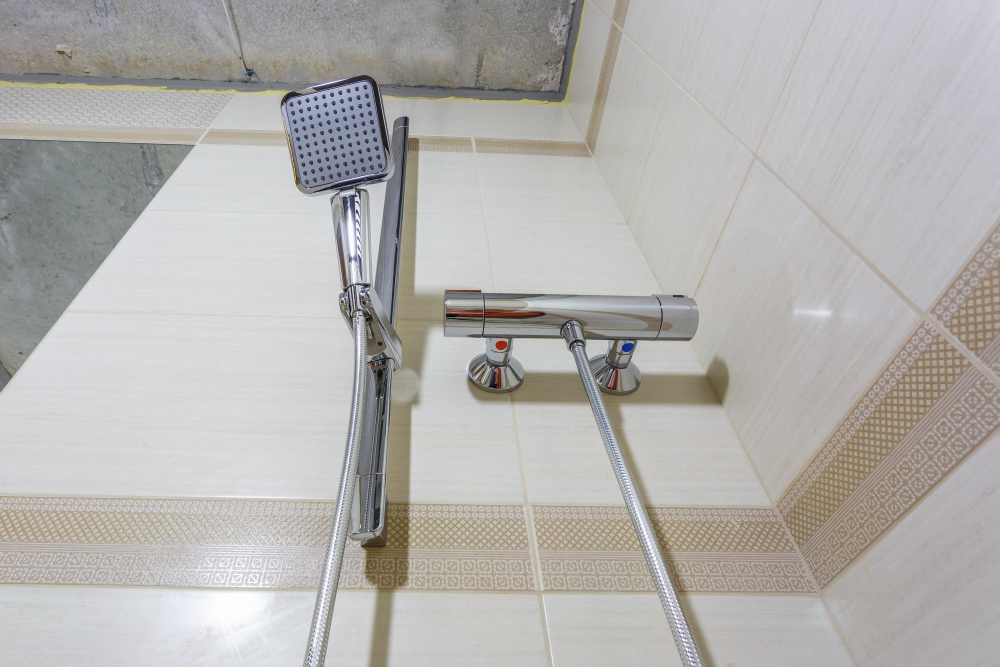
Edmonton has steadily evolved into a welcoming hub for students, backpackers, seasonal workers, and budget-conscious travelers. With this growing demand, hostels across the city are under increasing pressure to strike a balance between affordability, operational efficiency, and sustainability. One solution gaining attention in shared accommodation facilities is the installation of pay-per-use shower systems. Unlike traditional free-access shower facilities, pay-per-use systems introduce controlled water usage through timed access. This approach helps hostel operators manage utilities more efficiently while encouraging responsible consumption among guests. This article examines the concept, benefits, installation process, and operational considerations of pay-per-use shower systems, with a focus on hostels in Edmonton. Understanding Pay-Per-Use Shower Systems A pay-per-use shower system allows users to activate water flow by making a payment for a fixed duration. Once the allotted time expires, the water shuts off automatically unless additional payment is made. These systems can operate through coins, tokens, prepaid cards, or electronic payment interfaces, depending on the configuration. At a functional level, the system consists of: A payment activation unit A timer-controlled valve Standard plumbing connections Optional electrical or digital control components The core purpose is simple: regulate water usage without compromising basic hygiene access. Why Edmonton Hostels Are Adopting This Model Managing High Utility Costs Water and energy costs form a significant portion of a hostel’s operational expenses. Hot showers, in particular, require both water and energy for heating. In shared environments where usage is unlimited, consumption can become excessive and unpredictable. Pay-per-use shower installations help: Reduce unnecessary long showers Lower water heating expenses Stabilize monthly utility bills This predictability is valuable for hostel owners managing tight margins. Encouraging Responsible Water Use Edmonton experiences seasonal fluctuations in water demand, and conservation has become an ongoing concern for both residential and commercial properties. When guests are aware that shower time is limited and paid, they tend to be more conscious of usage. This results in: Reduced water wastage Lower strain on plumbing systems Improved alignment with sustainability goals Responsible usage benefits both the facility and the broader community. Fair Cost Distribution Among Guests In traditional hostel setups, guests who take short showers effectively subsidize those who take long ones. A pay-per-use system removes this imbalance by ensuring each guest pays only for what they use. This transparency often leads to fewer disputes and clearer expectations, particularly in high-turnover dormitory environments. Types of Pay-Per-Use Shower Systems Coin and Token-Based Systems These are widely used due to their simplicity and reliability. Guests insert coins or hostel-issued tokens to activate the shower for a preset time. Advantages Simple to operate Minimal technical complexity Low upfront cost Limitations Requires coin collection Limited flexibility in pricing No usage analytics Card and Digital Payment Systems More modern hostels may opt for electronic payment solutions, including: Prepaid access cards QR-based activation Contactless payment terminals Advantages No cash handling Detailed usage tracking Flexible pricing structures Limitations Higher installation cost Requires technical support Dependent on power and connectivity The choice depends on budget, guest profile, and long-term operational goals. Planning a Pay-Per-Use Shower Installation Assessment of Existing Infrastructure Before installation, hostel owners should assess: Current plumbing layout Water pressure levels Hot water system capacity Available wall space for payment units Most systems can be retrofitted into existing shower stalls without major renovations, but professional evaluation is essential. Compliance With Local Codes In Edmonton, any modification to plumbing systems must comply with municipal and provincial building standards. Considerations include: Water temperature control Backflow prevention Electrical safety (if applicable) Accessibility compliance Engaging licensed professionals ensures the installation meets all regulatory requirements. Installation Process Overview A typical installation involves: Mounting the payment unit outside or within the shower area Installing the timer-controlled valve on the water supply line Connecting hot and cold water feeds Testing water flow, timing accuracy, and payment response Proper testing before guest use prevents service disruptions. Operational Considerations After Installation Maintenance Requirements Pay-per-use systems require routine maintenance to ensure reliability: Periodic inspection of valves and timers Cleaning payment slots or sensors Checking for leaks or pressure issues Preventive maintenance reduces downtime and guest complaints. Staff Training Front-desk and maintenance staff should understand: How the system operates Common troubleshooting steps Refund or override procedures Clear internal protocols help resolve issues quickly. Guest Communication One of the most important factors in successful implementation is communication. Guests should be informed: At booking or check-in Through signage near shower areas Via simple usage instructions Transparency prevents confusion and improves acceptance. Pricing Strategies for Hostel Showers Pricing should reflect local expectations while remaining affordable. Factors to consider: Average hostel nightly rates Duration per payment cycle (e.g., 5–10 minutes) Local utility costs Some hostels offer: Complimentary short shower credits per stay Discounted multi-use tokens Inclusive options for long-term guests Flexible pricing improves guest satisfaction. Benefits Beyond Cost Savings Reduced Wear and Tear Shorter, controlled usage leads to: Less strain on plumbing fixtures Fewer drainage issues Longer lifespan of water heaters This lowers long-term maintenance expenses. Improved Facility Management Controlled shower usage helps regulate peak demand times, especially during mornings and evenings. This prevents sudden pressure drops and ensures consistent service quality. Environmental Responsibility Hostels increasingly market themselves as eco-conscious accommodations. Pay-per-use showers support: Reduced water consumption Lower energy usage Tangible sustainability efforts Guests who value environmental responsibility often view such measures positively when communicated properly. Potential Challenges and Solutions Guest Resistance Some travelers may initially dislike paying for showers. This can be addressed by: Offering clear explanations Including basic access in room pricing Emphasizing sustainability benefits Gradual implementation often improves acceptance. Technical Failures Like any mechanical system, failures can occur. Mitigation strategies include: Choosing proven equipment Keeping spare components Maintaining service agreements Preparedness minimizes inconvenience. Accessibility Concerns Facilities should ensure that shower access remains equitable. Options include: Extended time allowances for accessibility needs Staff-assisted activation when required Inclusive design is essential in shared accommodations. Conclusion Pay-per-use shower installations offer Edmonton hostels a practical way to manage resources, reduce operational costs, and promote responsible usage without compromising guest hygiene. When implemented thoughtfully, these systems

Smart Showers, Smarter Hostels: Pay-Per-Use Shower Installation in Edmonton
Running a hostel in Edmonton comes with a unique set of challenges—high utility costs, peak-hour congestion, and the constant need to balance comfort with operational efficiency. One smart solution gaining rapid popularity is hostel pay-per-use shower installation in Edmonton, especially when paired with reliable systems from Paybox Timer Washer Dryer. Why Pay-Per-Use Showers Make Sense for Hostels Hostels are high-traffic environments. Guests come and go, usage patterns vary, and water wastage can quietly inflate monthly bills. A hostel pay-per-use shower installation in Edmonton allows operators to regain control without compromising guest satisfaction. By introducing timed, coin-operated, or digital payment showers, you encourage responsible usage while ensuring fair access for everyone. Guests appreciate transparency—pay only for what you use. Operators appreciate predictability—lower water and energy consumption, fewer disputes, and reduced maintenance strain. How Paybox Timer Washer Dryer Elevates the Experience Paybox Timer Washer Dryer systems are designed for durability, simplicity, and flexibility. Their pay-per-use shower timers integrate seamlessly into hostel bathrooms, offering: Multiple payment options: coins, cards, or mobile-based systems Customizable timing: set usage durations to match your hostel’s needs Rugged build quality: ideal for high-use hostel environments Easy installation and maintenance With Paybox solutions, a hostel pay-per-use shower installation in Edmonton becomes less of a renovation headache and more of a smart upgrade. Benefits Beyond Cost Savings While reduced utility bills are a major win, the advantages go further: Water conservation: Timed showers naturally reduce wastage Fair usage: No more guests monopolizing shared facilities Revenue recovery: Offset water and heating costs effortlessly Sustainability appeal: Eco-conscious travelers value green initiatives In a city like Edmonton, where utility efficiency matters year-round, these benefits quickly add up. Ideal for New and Existing Hostels Whether you’re opening a new hostel or upgrading an existing property, hostel pay-per-use shower installation in Edmonton is a scalable solution. Systems can be installed in phases, tailored to dorm sizes, and adapted as guest volumes grow. The setup also pairs perfectly with other pay-per-use amenities like laundry systems—creating a unified, self-managed facility. A Competitive Edge in Edmonton’s Hostel Market Modern travelers expect smart infrastructure. Offering pay-per-use showers signals professionalism, fairness, and environmental responsibility. It also reduces operational friction, freeing staff from managing complaints or monitoring usage. With Paybox Timer Washer Dryer, you’re not just installing equipment—you’re investing in long-term efficiency and guest satisfaction. Final Thought If you’re looking to modernize your hostel and control operating costs, a hostel pay-per-use shower installation in Edmonton is a practical, future-ready move. With Paybox Timer Washer Dryer, the transition is smooth, reliable, and built to last—helping your hostel run smarter every single day.
A Smarter Way to Shower (and Save!)
Running a hostel is no small job. Between the endless laundry, check-ins, and general chaos of shared living, managing resources can feel like a full-time juggling act. That’s where PayBox Timer steps in with its clever solution — the Hostel pay-per-use shower installation in Edmonton. It’s the kind of upgrade that makes sense the moment you hear about it. You know how it goes — guests mean well, but showers can run forever. Water bills rise, hot water runs out, and the whole system starts feeling a bit unfair. PayBox Timer’s system changes that by introducing timed, pay-per-use showers that make everything simple, fair, and surprisingly fun to use. How It Works (and Why People Love It) Here’s the magic: guests pay for the time they need, step into the shower, and the system does the rest. The timer keeps track, shuts off automatically when time’s up, and everyone gets their fair share. No awkward knocks on the door, no “who used all the hot water?” debates — just an organized flow that keeps both guests and hostel owners happy. What makes Hostel pay-per-use shower installation in Edmonton so great is that it works with your existing setup. You don’t have to replace your entire plumbing or install bulky equipment. The PayBox Timer device fits right in, transforming regular showers into smart, controlled systems that practically run themselves. And if you’re worried about complexity — don’t be. The installation process is quick, clean, and doesn’t require you to be a tech wizard. Once it’s up and running, it’s as easy as plug-and-play. Why Edmonton Hostels Are Catching On Edmonton’s got this unique mix of travelers, students, and long-term guests. That means hostels here are always busy — and keeping things organized can be tough. With Hostel pay-per-use shower installation in Edmonton, owners finally have a way to manage usage without having to monitor every shower. It’s not just about saving money, though that part is definitely nice. It’s about balance. The system encourages guests to be mindful of how much time and water they’re using, without anyone having to say a word. And let’s be honest — guests actually like the idea of knowing what they’re paying for. It feels fair and modern, like something out of a well-run co-living space. The Benefits Go Beyond Savings Think about what happens when showers don’t run endlessly. Hot water lasts longer, energy costs drop, and maintenance issues disappear. Over time, that’s a big deal — both for your budget and for the planet. But the part hostel managers love most? The peace of mind. Once the system is installed, it handles everything automatically. You can focus on running your space, greeting guests, or finally taking that coffee break you’ve been putting off since last week. A Small Change with a Big Impact The truth is, the little things make the biggest difference. Switching to a pay-per-use system isn’t just about controlling water use — it’s about creating a smarter, fairer environment for everyone. Guests appreciate structure, owners appreciate savings, and the planet appreciates every drop that’s conserved. If you’re ready to modernize your space, PayBox Timer has you covered. Their Hostel pay-per-use shower installation in Edmonton is simple to set up, effortless to manage, and pays for itself faster than you’d expect. In a world where everything’s getting smarter, why should your showers stay behind?